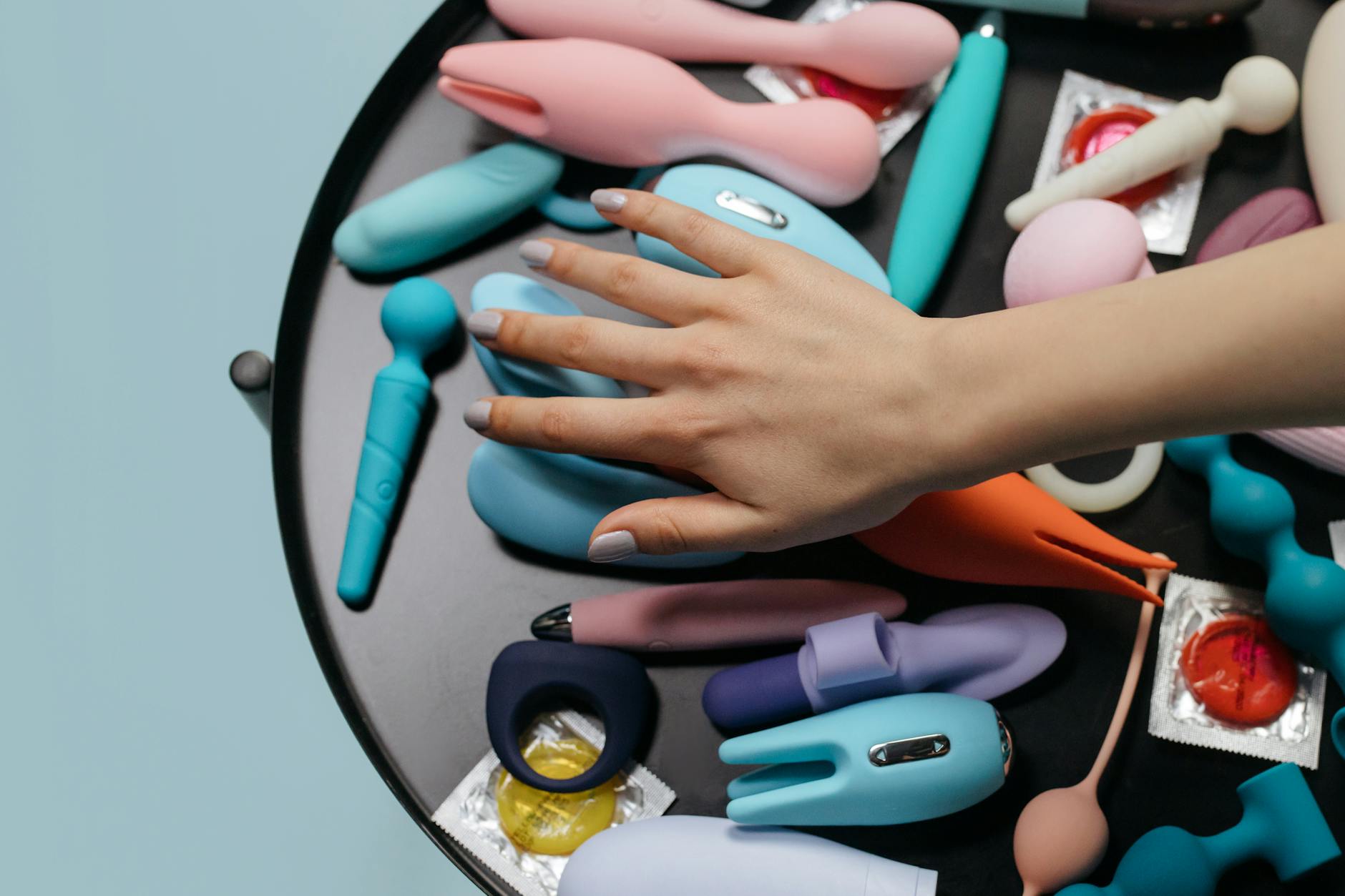
How to Use Lemon Vibrators for Pleasure When You Have Vulvovaginal Atrophy
Vulvovaginal atrophy (VVA), also called genitourinary syndrome of menopause, is real. Tissue thins. Lubrication drops. Sensation can feel muted or tender. And yes, it changes how pleasure feels. But here's what no one tells you clearly: it doesn't end pleasure. It just means you need to adjust your approach, and when you do, the payoff is often worth the small extra effort.
I've worked with dozens of people navigating VVA, and the ones who get the most out of their bodies are the ones willing to experiment with tools specifically suited to how their tissue responds right now. Lemon clitoral vibrators, with their suction-based design, happen to be phenomenal for this particular challenge.
What vulvovaginal atrophy actually does to sensation
Let's start with the physiology because it matters. When estrogen drops, tissue gets thinner, less elastic, and produces less of its own moisture. Blood flow decreases too, which means arousal builds more slowly and sensation can feel distant or dull. Direct friction that used to feel amazing can now feel too intense or even painful. Orgasms can feel shallower or take longer to build.
What doesn't change: your capacity to experience pleasure. The nerve endings are still there. Your brain's ability to process sensation is intact. You're not broken. You're just working with different conditions.
That's the distinction that matters for choosing a tool. A lemon vibrator works well with VVA specifically because it uses suction and gentle pulsing rather than aggressive vibration or direct friction. You're stimulating without grinding. You're building sensation without irritating tissue.
Why lemon suction vibrators work better than traditional vibrators for VVA
Traditional vibrators buzz directly against tissue. For people with healthy estrogen and robust lubrication, that's brilliant. For VVA, it can feel too sharp, too direct, sometimes outright uncomfortable.
A lemon clitoral vibrator creates a seal around the clitoris and delivers pulsating suction. Think of it like the difference between poking someone repeatedly versus gently drawing them toward you. The suction distributes pressure across a wider area, reduces direct friction, and feels gentler while still being incredibly effective.
Second benefit: you don't need the same level of natural lubrication to use one comfortably. That's not a small thing when your body is producing less. Suction works regardless.
Third: arousal and response happen more gradually with VVA, and the escalating patterns on a lemon vibrator (Hello Nancy's Lem has multiple intensity settings) let you build sensation in your own timeline rather than jumping straight to high-intensity vibration.
How to prep your body and mind before using a lemon vibrator with VVA
Three things to do beforehand:
Start with lubrication, even if you think you might not need it. Water-based is best because it won't damage silicone. Use more than you think you should. VVA means less natural moisture, and adding external lubrication isn't a sign of failure. It's smart logistics. Many people report that using adequate lube transforms the experience from uncomfortable to genuinely pleasurable.
Warm up longer than you used to. Give yourself 20-30 minutes of non-genital touch first. Touch your arms, your neck, your breasts, your inner thighs. Let arousal build before you introduce any tool. This isn't laziness or foreplay padding. This is physiology working with you instead of against you. Blood flow increases. Tissue plumps up slightly. Sensation sharpens.
Take stress seriously. Anxiety tightens the pelvic floor and constricts blood flow. That's the opposite of what you need. If racing thoughts are your usual pattern, spend five minutes on breathing before you start. Box breathing works: inhale for four, hold for four, exhale for four, hold for four. Repeat four times. It sounds silly. It works.
Photo by Hanna Brovko on Pexels
Starting with intensity: why lower is almost always better with VVA
This is the biggest mistake I see. Someone with VVA assumes they need to compensate with higher intensity. The opposite is true.
Start at pattern one or two on your lemon vibrator. Literally the gentlest setting. Spend several minutes there, focusing on what you feel rather than what you expect to feel. Sensation with VVA is different, not worse, but you have to actually notice it to work with it instead of fighting it.
Many people find that a lower intensity used for longer produces more reliable orgasms than jumping to high settings. This is because tissue is more sensitive to sustained, gentle stimulation than to aggressive pulsing when it's thinner.
If lower intensity isn't getting you there after ten minutes or so, escalate slowly. Move to pattern three. Spend a few minutes. Then four. You're building a map of what works for your body right now, not trying to force an old response you had before.
The role of positioning and angle
With VVA, how you angle the tool matters more than usual. Experiment with gentle pressure directly on the clitoris, but also try angles where the vibrator sits slightly above or to the side. You're looking for the spot where sensation feels present without any edge of discomfort.
Many people with VVA report that the most intense sensation comes from slightly indirect contact rather than full pressure. Try it.
If you're using the lemon vibrator with a partner, communication becomes essential. Let them know you're exploring what works now, and that sensation is genuinely different, not diminished. That shift in framing alone often reduces the performance pressure that can kill arousal faster than anything physical.
Lubrication strategies beyond the basics
Water-based lubricant is essential. But there are a few things that amplify it:
Apply some internally as well as externally. Many people skip this, but tissue that's thinner benefits from moisture inside the entrance and around the opening. You don't need much. A small amount makes a measurable difference in comfort.
Reapply during the experience. Lubrication can dry out, especially with extended use. Keep your lube within reach and add more if sensation starts to feel dry or tight.
Consider a hyaluronic acid vaginal moisturizer if you're having this issue frequently. These products (brands like Hyalo Gyn or Hyalogic) hydrate tissue between experiences and can be genuinely life-changing for people with moderate to severe VVA. Use them every two to three days as maintenance.
When to layer in medical support
If pain is present during any sexual activity, that's your signal to see a menopause-trained doctor or gynecologist. VVA is treatable. Topical estrogen creams, DHEA suppositories, or systemic hormone therapy can all improve tissue health rapidly. Using a lemon clitoral vibrator is a great tool, but it's not a substitute for addressing significant tissue damage.
You deserve both. The medical support that restores tissue health plus the tool that lets you explore pleasure on your own terms.
Building back sensitivity over time
One unexpected benefit some people report: using lemon vibrators regularly while navigating VVA can actually improve sensation over time. Increased blood flow to tissue, consistent gentle stimulation, and the confidence that comes from experiencing reliable pleasure all seem to help. Sensation doesn't snap back to what it was before, but many people report that within weeks of consistent use, pleasure deepens.
If you've been avoiding sexual activity because of VVA, that avoidance can actually worsen tissue health. Regular blood flow and use helps. A tool that makes that experience comfortable and pleasurable isn't an indulgence. It's practical medicine for your own body.
People also ask
Q: Can you use a lemon vibrator if you have active pain from vulvovaginal atrophy? A: Not comfortably, no. If pain is present, see a doctor first. Once medical support is in place (topical estrogen cream usually helps within days to weeks), a lemon vibrator becomes a brilliant addition to pleasure. But starting with a tool when tissue is actively painful will just train your nervous system to expect pain, and that's counterproductive. Get the pain addressed first, then explore.
Q: How often can you use a lemon vibrator if you have VVA? A: As often as you want, as long as you're using lubrication and you're not experiencing pain. Some people find daily gentle use actually improves sensation faster than sporadic use. Others prefer a few times a week. There's no "too often." Your body will tell you if something isn't working.
Q: Does lemon suction work better than vibration for VVA, or is that just a marketing claim? A: The science is real. Suction distributes pressure more evenly across tissue, requires less direct friction, and works well with lower natural lubrication. That said, some people with VVA find that gentler traditional vibration combined with good lubrication works fine for them. The best tool is the one that feels good in your body. Lemon vibrators are excellent for VVA, but they're not the only option that works.
Q: Can vulvovaginal atrophy get worse if you don't have sex or use toys? A: Yes, actually. Disuse can worsen tissue health because regular blood flow and gentle stretching help maintain elasticity. That doesn't mean you have to use tools if you're not interested in solo pleasure. But it does mean that avoidance because of pain or discomfort can become a downward spiral. Addressing the underlying tissue issue (usually with topical or systemic estrogen) plus resuming regular sexual activity or tool use, even gently, tends to improve outcomes.
Q: Do lemon vibrators help with pain during partnered sex if you have VVA? A: They can help you explore sensation and discover what feels good, which is valuable information to share with a partner. But for pain during penetration, a lemon clitoral vibrator won't directly address that because it focuses on clitoral stimulation. If penetrative sex is painful because of VVA, topical estrogen cream is often the most direct solution. A lemon vibrator can absolutely be part of a broader approach to pleasure, just not the pain-solution on its own.
Q: Is it normal for sensation to feel duller when you first start using a lemon vibrator with VVA? A: Yes. Your nervous system and tissue are adjusting. Give it several sessions before you decide whether it's working. Many people report that what feels subtle in the first experience becomes much more pronounced once they understand their body's new baseline. Patience and curiosity work better than frustration here.
The honest bottom line
Vulvovaginal atrophy is not a sentence. It's a shift. Your body has changed, and the approach that worked before won't work the same way now. That's annoying. But people who embrace the adjustment, get the medical support they need, and use tools designed for this specific reality often report that their pleasure deepens because they're finally tuned into their actual body instead of performing an old script.
A lemon vibrator is built for this moment. Suction-based design, multiple intensity levels, and the ability to work gently with tissue that needs it. If you've been avoiding pleasure because of VVA, this is your invitation to come back. You deserve that.
Have questions about how to navigate this or any other aspect of pleasure after tissue changes? Reach out anytime. Contact Hello Nancy Official and let's talk about what would actually help you.
References
Hormone Health Network. "Genitourinary Syndrome of Menopause." American Endocrine Society, 2022.
Doctors Without Borders / Médecins Sans Frontières. "The Facts About Vulvovaginal Atrophy." Accessed 2026.
American College of Obstetricians and Gynecologists. "Vaginal Atrophy: Causes, Symptoms, and Treatments." Patient Education Series, 2024.
Shahid, Sara. "Low-Dose Vaginal Estrogen and Systemic Hormone Therapy: What You Need to Know." Journal of Sexual Medicine, 2023.